Some security news is about a brand-new flaw. This one is about an old one. On 4 November 2026 CISA added CVE-2024-27834, an Apple WebKit vulnerability fixed in May 2024, to its Known Exploited Vulnerabilities (KEV) catalog. For most businesses that took Apple updates in the last two years, there is nothing new to install. The value of the alert is as a prompt to find the devices that did not. This guide covers what has been published, which versions carry the fix and how to check a small fleet without special tools. It does not describe how to exploit anything, and we have not tested the flaw.
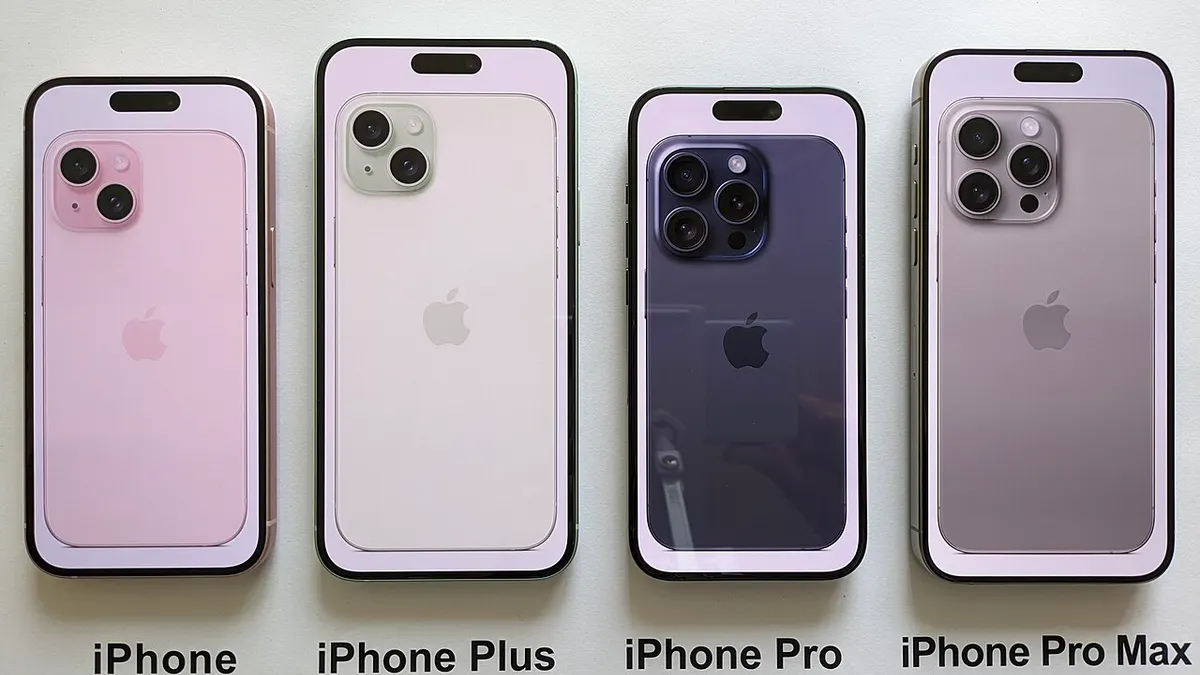 Old iPhones tend to stay in drawers and in use long after their last update. Photo: Ka Kit Pang, CC BY-SA 4.0, via Wikimedia Commons
The short answer
- What: CVE-2024-27834, a WebKit flaw that may let an attacker with arbitrary read and write capability bypass Pointer Authentication, according to Apple.
- Listed: added to CISA's KEV catalog on 4 November 2026, with a due date of 18 November 2026 for federal agencies.
- Severity: CVSS 5.5 (medium) from NVD, with a local vector. It is not a remote, one-click entry point by itself.
- Fixed in: Safari 17.5, iOS 16.7.8 and iPadOS 16.7.8, iOS 17.5 and iPadOS 17.5, macOS Sonoma 14.5, tvOS 17.5 and watchOS 10.5.
- Released: Apple's Safari 17.5 note is dated 13 May 2024.
- Do: list your Apple devices, find any older than the fixed versions and update or retire them.
What was published
CISA's catalog entry names the flaw "Apple Multiple Products Improper Authentication Vulnerability". It says Apple iOS, iPadOS, macOS, Safari, tvOS and watchOS 10.5 contain an improper authentication weakness which could allow an attacker with arbitrary read and write capability to bypass pointer authentication. The required action is to apply mitigations in line with vendor instructions and CISA's directive BOD 26-04, or to stop using the product if mitigations are unavailable. The entry lists known ransomware campaign use as "Unknown" and forensic triage as "No".
Apple's own security note for Safari 17.5 lists the issue under WebKit and credits Manfred Paul working with Trend Micro's Zero Day Initiative. NVD, which was last modified on 4 November 2026, gives the fixed releases above and a CVSS 3.1 score of 5.5 with vector AV:L/AC:L/PR:L/UI:N. The NVD record also lists the WebKitGTK and WPE WebKit ports as affected before version 2.44.2, which matters if you use Linux browsers built on those engines.
Update, 5 November 2026: after we first published, the picture became clearer. Sekoia published research on 4 November describing a watering hole campaign that it assesses, with moderate to high confidence, was run by APT29, a Russian state-linked group. Its report lists a chain for iOS 16.7 that pairs CVE-2025-43529, a WebKit remote code execution flaw, with CVE-2024-27834 as the Pointer Authentication bypass, then steals browser cookies. Sekoia says all the chains it found rely on already-patched vulnerabilities and do not work against fully updated devices. The Hacker News reports that CISA's listing followed this research. Sekoia describes three ways visitors were reached: injected code on compromised websites, lookalike domains, and a one-week compromise of a third-party analytics script. We cover that last point in a separate post for website owners.
What Pointer Authentication is, and why this bug is a helper
Pointer Authentication is a hardware-backed protection on Apple's chips. It adds a signature to certain memory pointers so that a program can tell if one was tampered with. If an attacker has already found a way to read and write memory, bypassing this protection removes one of the barriers between that foothold and running their own code.
That is why the severity score is moderate while CISA still treats the flaw as worth patching. A bug like this is usually a link in a chain. By itself it does little. Combined with a separate flaw that gives memory access, it can matter a great deal. The score reflects the single step, not the whole chain. For a business owner the useful reading is simple: a vulnerability being rated medium does not mean it is safe to leave on devices, especially when a government catalog says it has been used.
Who should actually check
You can skip most of this if every phone, tablet and Mac is managed and set to update automatically. You should look closer if any of these apply:
- Older iPhones and iPads. The 16.7.8 fix exists for devices that cannot move past iOS 16. Those devices need that exact update, not the latest iOS.
- Macs stuck on older macOS. The fix is in macOS Sonoma 14.5, and Apple's Safari 17.5 note covers Monterey and Ventura. If a Mac cannot run Sonoma, confirm Safari is updated.
- Shared or spare devices. Counter iPads, kiosk tablets, demo phones and the old Mac mini running a dashboard are the usual forgotten ones.
- Staff phones used for work. If staff use personal iPhones for email, ask them to confirm their iOS version rather than assuming.
- Apple TVs and watches. They sit lower on the list, but the fix is in tvOS 17.5 and watchOS 10.5.
What to do this week
- Make a one-page list. Write down every Apple device that touches work accounts, who uses it and its operating system version. On iPhone and iPad, the version is in Settings, then General, then About. On a Mac, it is in the Apple menu under About This Mac.
- Compare each version with the fixed releases. Anything older than iOS 16.7.8 or 17.5, macOS 14.5 or Safari 17.5 needs attention.
- Update what can be updated. Turn on automatic updates and install the latest release the device supports.
- Retire what cannot. If a device no longer receives updates, replace it or keep it off work accounts and off the public internet.
- Check browsers beyond Safari. On Linux, confirm that WebKitGTK or WPE WebKit packages are at or above 2.44.2, as the NVD record lists.
- Require a minimum version where you can. Many email and device-management tools let a small business block work email on devices below a set OS version.
- Record the check. Keep a dated note so the next alert takes minutes, not an afternoon.
If you want help turning this into a simple internal tool or dashboard that tracks devices and versions, our custom software development service can build it, and you can talk to our team. For related phone-patching advice, see our posts on Apple's October iOS update and the Android November security bulletin.
A decision guide
| Situation | What to do |
|---|---|
| Everything auto-updates and is recent | Nothing new for this CVE. Confirm the list once and file it. |
| An old iPhone or iPad on iOS 16 | Install iOS or iPadOS 16.7.8 if offered, otherwise replace the device for work use. |
| A Mac that cannot run Sonoma | Update Safari to 17.5 or later and plan a hardware refresh. |
| Personal phones used for email | Ask staff to confirm versions and set a minimum version rule. |
| Unknown or unmanaged devices | Treat as untrusted until identified and updated. |
Common mistakes to avoid
- Ignoring it because the score is 5.5. The CISA listing, not the CVSS number, is what signals real-world use.
- Assuming "old" means "fixed everywhere". A fix from May 2024 only helps devices that installed it.
- Updating only the newest phones. The risk sits in older devices that are easiest to forget.
- Skipping Safari on older Macs. Apple ships Safari updates separately for some macOS releases.
- Treating the 18 November date as binding on you. It applies to US federal agencies, but it is a good target for the rest of us.
- Ignoring the age of the bug. Sekoia says the campaign relied on already-patched flaws, so out-of-date devices are the target, not new ones.
Checklist for your team
- List every Apple device that touches work accounts, with its OS version.
- Compare each version with the fixed releases (iOS 16.7.8, iOS 17.5, macOS 14.5, Safari 17.5).
- Update every device that can be updated, and enable automatic updates.
- Replace or isolate devices that no longer receive updates.
- Check Linux browsers built on WebKitGTK or WPE WebKit for version 2.44.2 or later.
- Ask staff using personal phones to confirm their iOS version.
- Set a minimum OS version for work email where your tools allow it.
- Keep a dated record of the check and the devices retired.
Key takeaways
- CISA added CVE-2024-27834 to its KEV catalog on 4 November 2026, with a due date of 18 November.
- Apple fixed the flaw in May 2024, so current devices are already covered.
- The bug bypasses Pointer Authentication for an attacker who already has memory access. It is a link in a chain, not a front door.
- Old, forgotten and unmanaged devices are the real exposure.
- Sekoia assesses with moderate to high confidence that APT29 used this bug in an iOS 16.7 chain to steal browser cookies, and says fully updated devices are not affected.
Sources
- CISA Known Exploited Vulnerabilities Catalog (entry for CVE-2024-27834, added 4 November 2026)
- Apple Support: About the security content of Safari 17.5
- NVD: CVE-2024-27834 Detail
- Sekoia: Poisoned Source, APT29 watering holes target mobile devices with n-day exploits (4 November 2026)
- The Hacker News: Hackers Exploit Patched Apple Flaw to Deliver Info-Stealing Malware, CISA Says (5 November 2026)
- CISA: BOD 26-04, Prioritizing Security Updates Based on Risk